
Lesson · 4 min Gentle
Becoming by Doing
In one line Aristotle held that virtues are learned like crafts, by doing the acts, until they become second nature.
Aristotle noticed that virtues do not come to us the way eyesight does. We could see before we ever practiced seeing. Nobody, though, is born fair or brave. Those qualities come the other way round: the doing comes first.
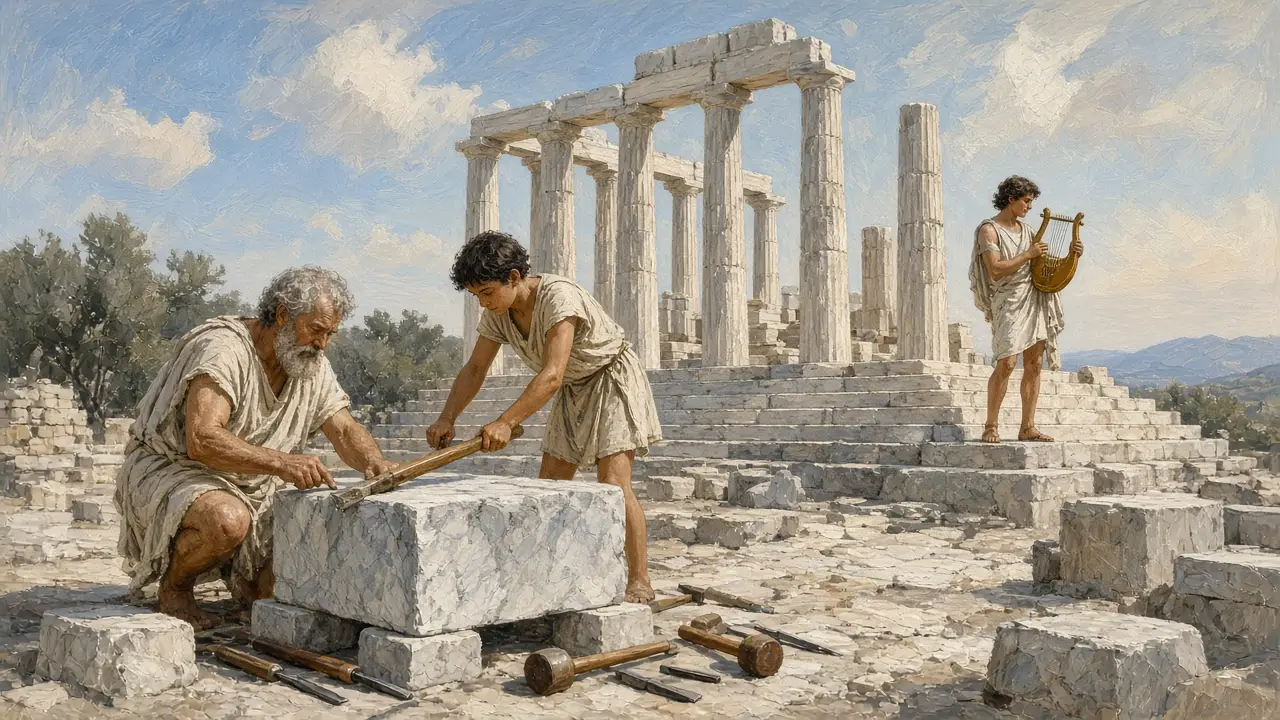
People become builders by building and lyre players by playing the lyre, he wrote, and in the same way we become just by doing just acts and brave by doing brave acts. Repetition turns an effortful act into a settled part of who you are.
The same road runs downhill. Many small cowardices make a coward. So the question is not only what kind of person you are, but what you are practicing today.
The first stiff apology
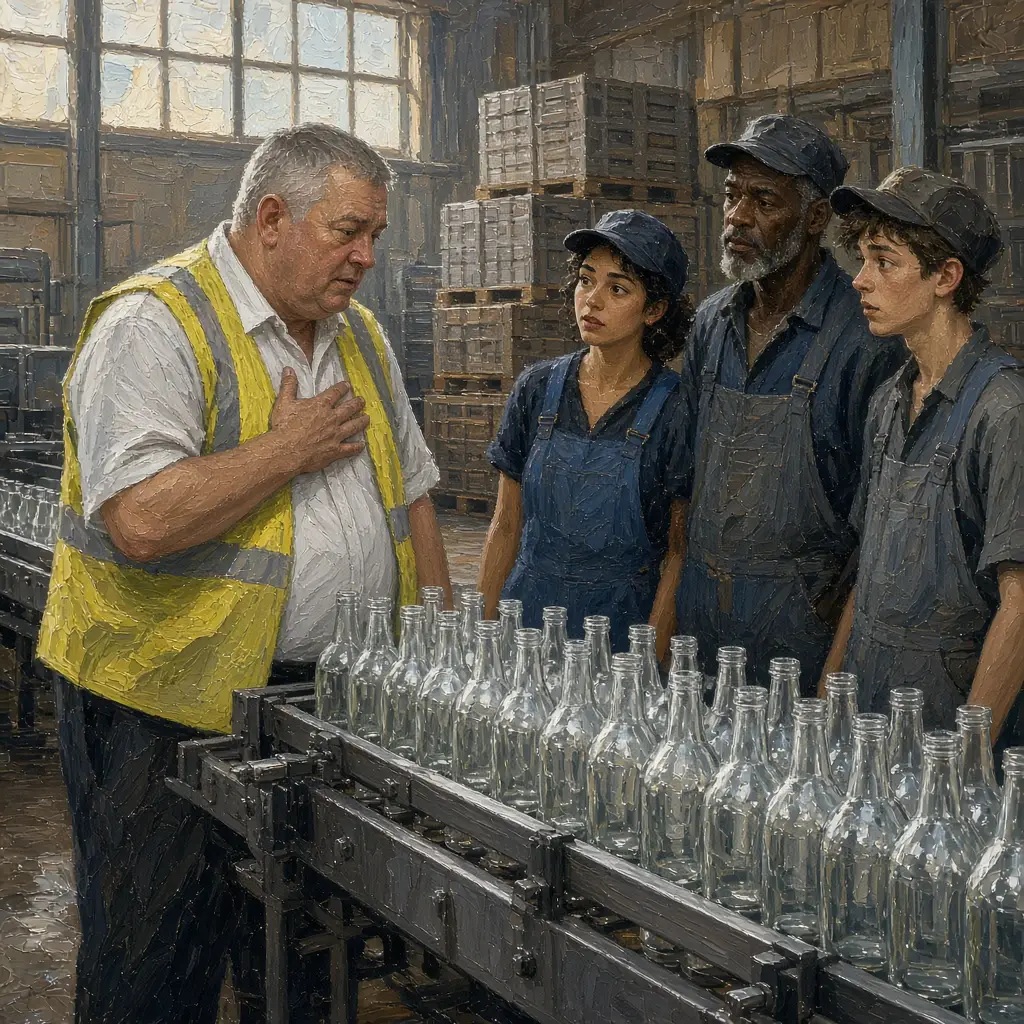
Gustav, a line supervisor at a bottling plant, freezes whenever he must admit a mistake. He decides to say a plain “I got that wrong” every time it happens, even when it feels stiff.
The first few are awkward. By the end of the month the words come more easily, and his crew starts admitting mistakes too. What he knew about honesty did not change. What he had practiced did.
Try this today Pick one virtue you lack and do one small act of it today, even if it feels forced.
Cite or share this lesson
A plain reference you can paste into notes or an essay:
Quest2Reason. “Becoming by Doing.” https://quest2reason.com/learn/lesson/becoming-by-doing. Accessed 13 November 2026.
Sources
- Aristotle, Nicomachean Ethics, book II, chapter 1, translated by W. D. Ross — Virtues come by habit: we become just by doing just acts, as builders become builders by building.
- “Aristotle’s Ethics,” Stanford Encyclopedia of Philosophy — Ethical virtue as a settled state formed by habituation.