
Lesson · 4 min Stretch
Democracy as a Way of Life
In one line Ambedkar argued that caste destroys fellow feeling, and that democracy must be a way of living together, not just voting.
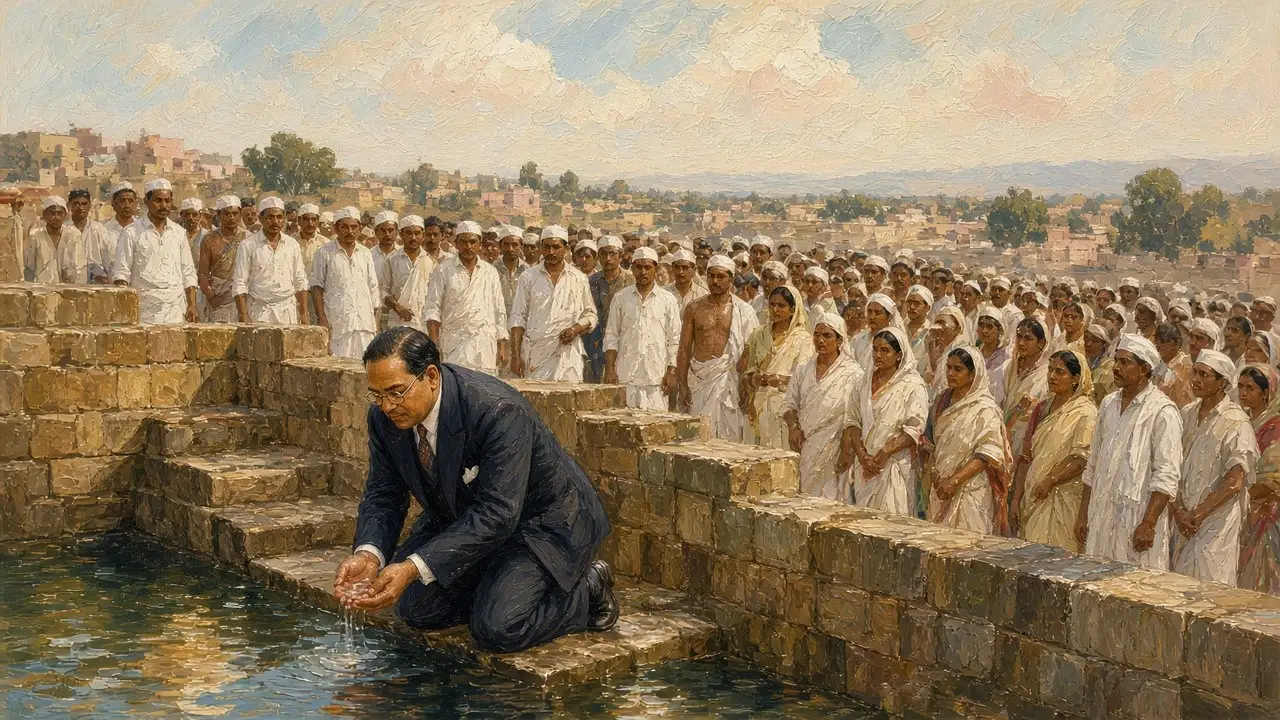
B. R. Ambedkar was born in 1891 into a caste then treated as untouchable. He earned doctorates from Columbia University and the London School of Economics, led India’s Dalit movement, and chaired the committee that drafted India’s constitution.
In Annihilation of Caste, written in 1936, he argued that caste is not merely a division of labor but a division of laborers, ranked by birth and kept apart by rules against sharing meals and marriage. It destroys public spirit, since people feel loyalty only to their own caste.
Ambedkar held that democracy is not merely a form of government but, borrowing a phrase from his teacher John Dewey, a mode of associated living, in which people share experiences and respect one another. Political equality, he warned, will not last without social equality: liberty, equality and fraternity must go together.
Go deeper
Ambedkar drew on John Dewey, his teacher at Columbia, for the idea of democracy as shared experience. In 1956, shortly before his death, he converted to Buddhism with hundreds of thousands of followers, rejecting a religion he believed sanctioned caste. He warned India’s Constituent Assembly that political equality beside social inequality would be a life of contradictions.
The lunch tables
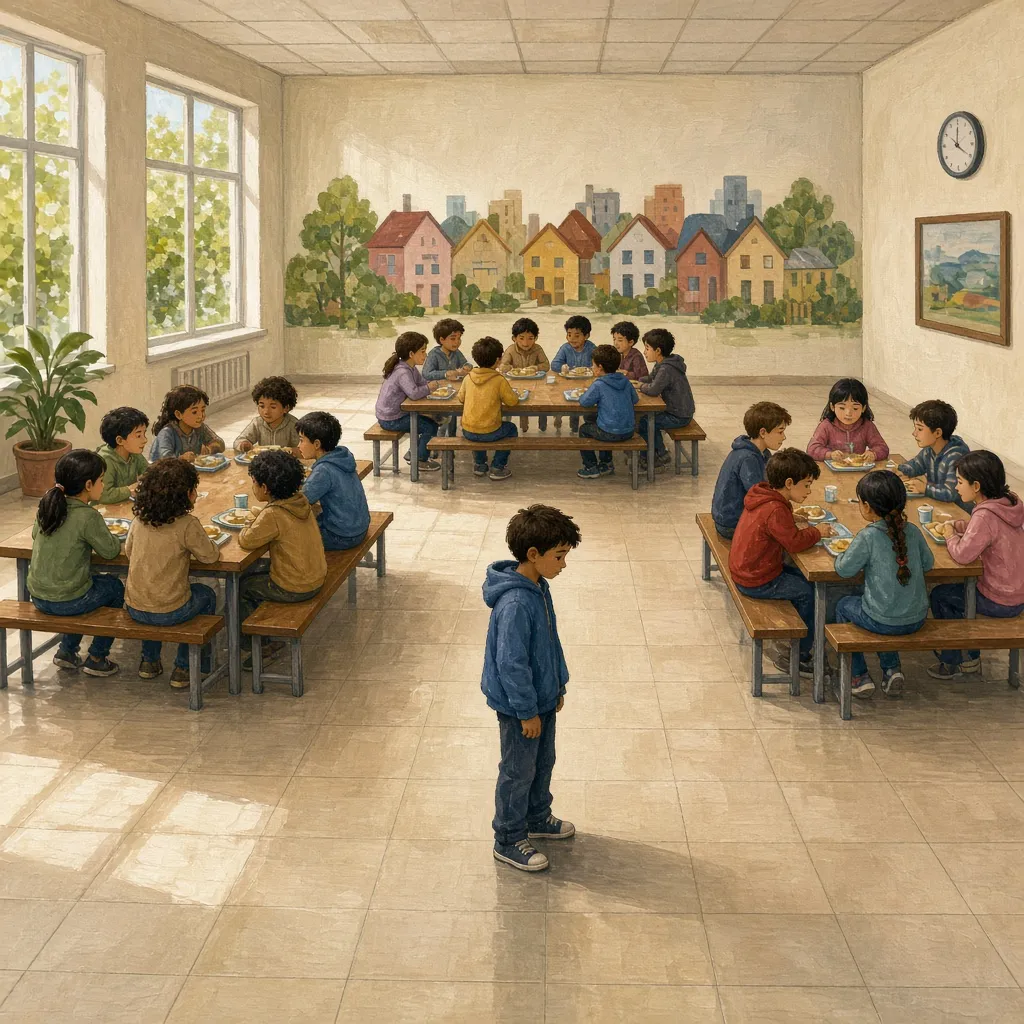
At a new school, Ravi notices that students sit by neighborhood and family background, and no one crosses the lines. Teachers say the school is open to all, so the problem is solved.
Ambedkar would disagree. Formal equality is in place, but the habits of separation remain. Ravi starts a mixed lunch club. It is small, but it builds the fellow feeling that rules alone cannot create.
Try this today Notice one group you rarely eat, work or talk with. Ask what keeps the line there, and take one step across it.
Cite or share this lesson
A plain reference you can paste into notes or an essay:
Quest2Reason. “Democracy as a Way of Life.” https://quest2reason.com/learn/lesson/democracy-as-a-way-of-life. Accessed 13 November 2026.
Sources
- B. R. Ambedkar, Annihilation of Caste (1936) — The text itself, hosted by Columbia University’s Ambedkar project; section 14 has the sentence on democracy as a mode of associated living.
- John Dewey, Democracy and Education (1916), chapter 7, section 2 — The sentence Ambedkar borrows: a democracy is more than a form of government, it is primarily a mode of associated living, of conjoint communicated experience.
- Wikipedia, “Annihilation of Caste” — Summarizes Ambedkar’s 1936 text and its arguments.
- Wikipedia, “B. R. Ambedkar” — Covers his life, the constitution and his conversion to Buddhism.