
Lesson · 4 min Gentle
Dignity Practiced
In one line Refuse the smaller name without matching the insult.
This lesson takes from Angelou’s life and writing the idea that dignity is practiced when someone tries to take it. It is not a medal the room hands you after you have agreed to be small. In the hour of the belittling name, you can refuse that name and keep a conduct that is still yours.
Courage and kindness can share the sentence. Keeping dignity does not require a matching cruelty. It requires not signing the smaller self they offered you.
The practice does not erase the harm and does not ask the room to look away. You can stand as a person and still tell what was done. A harmed person has not lost the dignity they can practice.
The nickname

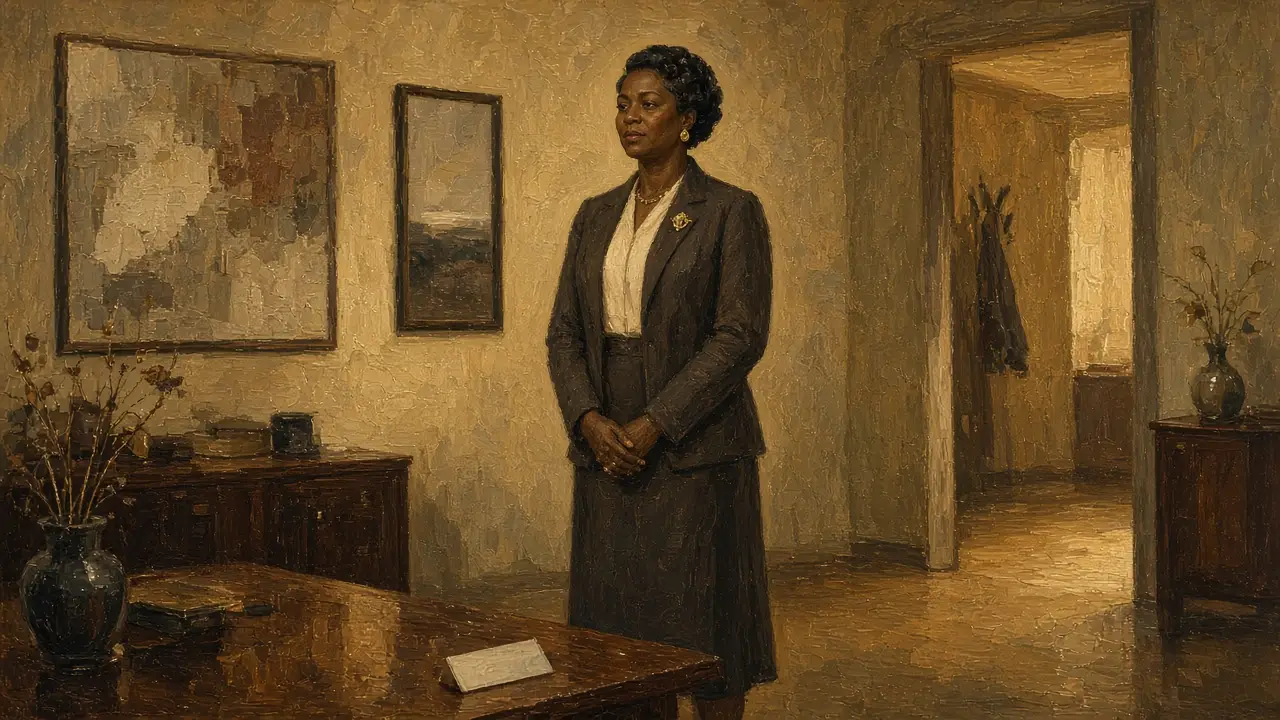
A colleague introduces her by a belittling nickname and waits for the laugh. The easy move is to wear it, or to answer with a harder joke.
She gives her name, once, without the matching insult. That is the practice. The smaller name was refused, and kindness stayed in the sentence.
Try this today If someone belittles you, state your name and role once, calmly.
Cite or share this lesson
A plain reference you can paste into notes or an essay:
Quest2Reason. “Dignity Practiced.” https://quest2reason.com/learn/lesson/dignity-practiced. Accessed 13 November 2026.
Sources
- Wikipedia, “Maya Angelou” — Biography and works on dignity and resilience.
- Maya Angelou, Wouldn’t Take Nothing for My Journey Now (1993) — Essays on courage, kindness and self-respect. This lesson’s reading of dignity as a practice draws on them; nothing is quoted.
- Maya Angelou, I Know Why the Caged Bird Sings (1969) — Her account of childhood harm and of finding her voice again. Nothing is quoted.
- Wikipedia, “Still I Rise” — Angelou’s poem on dignity.