
Lesson · 4 min Stretch
Liking Without Wanting
In one line Delight in beauty is a pleasure that does not ask to own, use or eat the thing.
Kant noticed that two kinds of liking feel different. I like a warm pastry, and the liking comes with a wish: to eat it. I like a useful tool, and the liking comes with a plan: to use it. Both are tied to something I want from the thing.
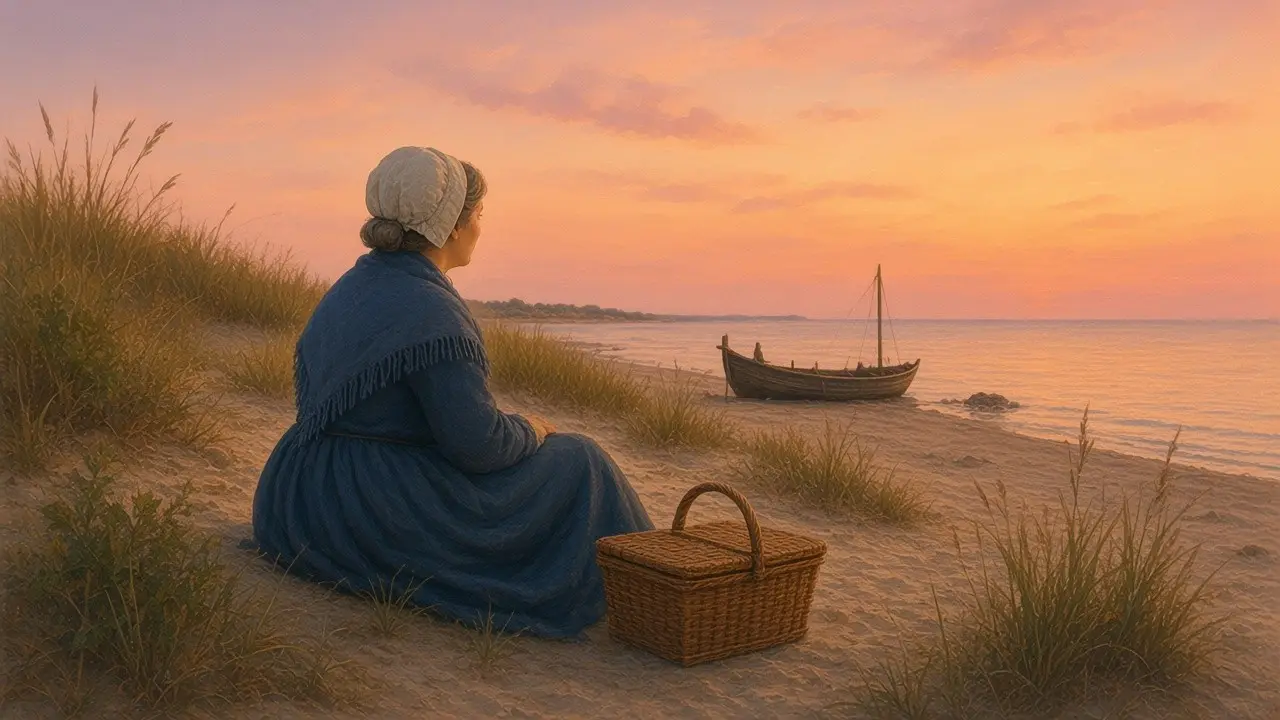
Delight in beauty is of another sort. Standing before a sunset, I enjoy it without wanting to own it, eat it or use it. Kant called this pleasure disinterested: it is not bound to a wish. That is also why I expect others to feel it too, since it does not depend on my private appetite.
The test is easy to try. Ask what you want from the thing. If the answer is nothing beyond looking, you are probably enjoying it as beauty.
The gallery and the bakery

Lin walks past a bakery, smells fresh bread and at once wants a loaf. The pleasure comes with a wish, and it fades when she has eaten.
An hour later she stands in a gallery before a quiet seascape. She does not want to buy it or take it home. She simply looks, and is content to keep looking. When a friend arrives, she says, “Come and see,” as if he ought to feel it too.
Try this today Next time something strikes you as beautiful, ask whether you want anything from it, and write the answer.
Cite or share this lesson
A plain reference you can paste into notes or an essay:
Quest2Reason. “Liking Without Wanting.” https://quest2reason.com/learn/lesson/liking-without-wanting. Accessed 14 November 2026.
Sources
- Stanford Encyclopedia of Philosophy, “Kant’s Aesthetics and Teleology” — Covers his claim that a judgment of beauty is a disinterested pleasure others may share.
- Immanuel Kant, Critique of Judgement (1790), sections 1 to 9, translated by J. H. Bernard — The agreeable, the good and the beautiful, and why disinterested pleasure claims the agreement of others.