

Lesson · 4 min Gentle
Natural Means Good?
In one line Natural does not mean safe or good, and artificial does not mean harmful.
The appeal to nature argues that something is good because it is natural, or bad because it is artificial. The word “natural” sounds warm, but it does not track safety. Some natural things are deadly, such as certain mushrooms, and some artificial things are lifesaving, such as vaccines and clean water systems.
The claim often hides a second step: “Natural is how it should be.” That is a value claim, and it needs its own reasons. The fact that something occurs in nature says nothing on its own about whether it is good for us.
A better question is about evidence. What does this substance or practice do, at what dose, for whom, and how do we know? Whether it is natural or artificial is rarely the deciding fact.
The herbal label
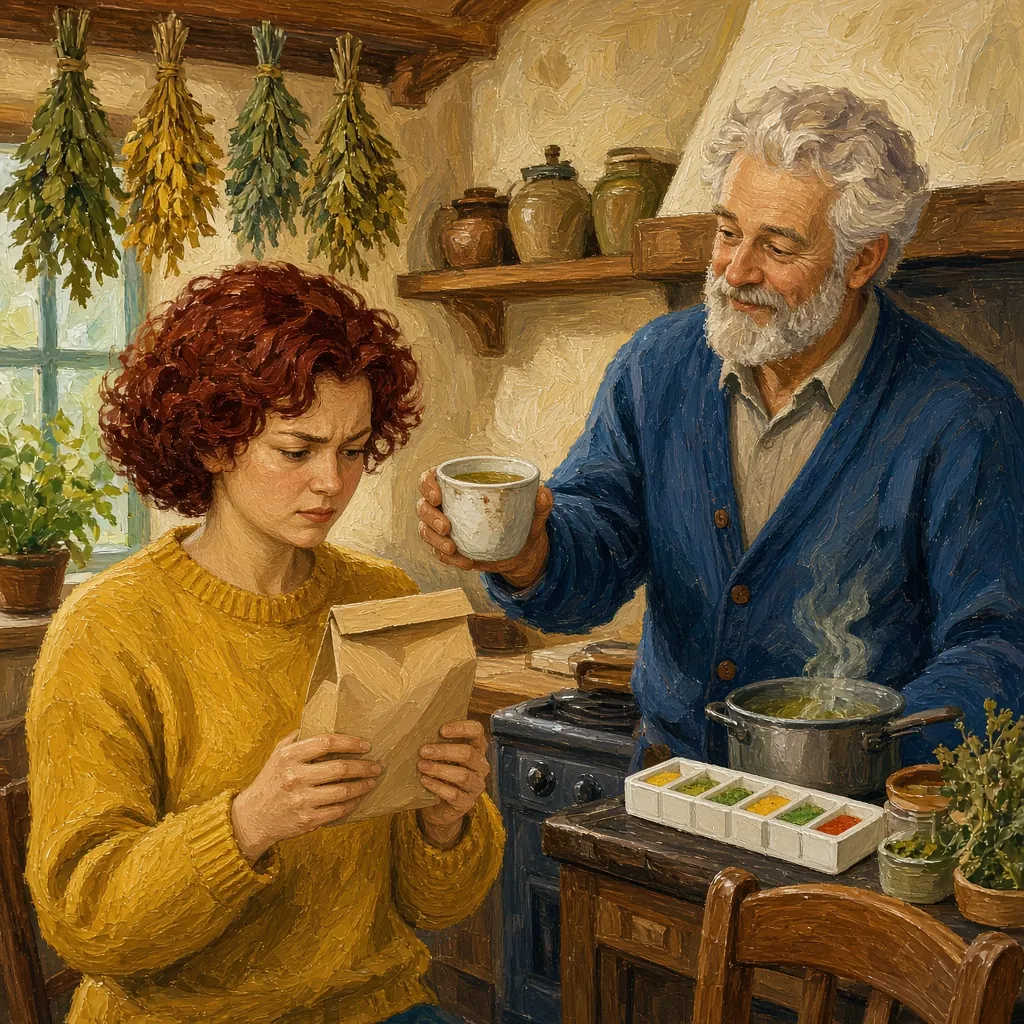
Ira’s uncle recommends a herbal tea for headaches, saying, “It’s all natural, so it can’t hurt.” Ira looks at the label and finds a warning for people on blood thinners. Her uncle is on one.
She explains that natural plants contain active chemicals that can interact with medicine. The tea may still help some people. The better question was what it does and for whom, not whether it came from a plant.
Try this today Next time you see “all natural,” ask what the claim leaves unsaid about safety or effect.
Cite or share this lesson
A plain reference you can paste into notes or an essay:
Quest2Reason. “Natural Means Good?.” https://quest2reason.com/learn/lesson/natural-means-good. Accessed 14 November 2026.
Sources
- Stanford Encyclopedia of Philosophy, “Informal Logic” — A survey of how everyday arguments are judged; background for any fallacy.
- Aristotle, Sophistical Refutations — An early catalog of arguments that look complete and are not.
- Wikipedia, “Appeal to nature” — The fallacy of equating natural with good.