
Lesson · 4 min Steady
Walk It Back to a Use
In one line Walk a foggy word back to what people do with it.
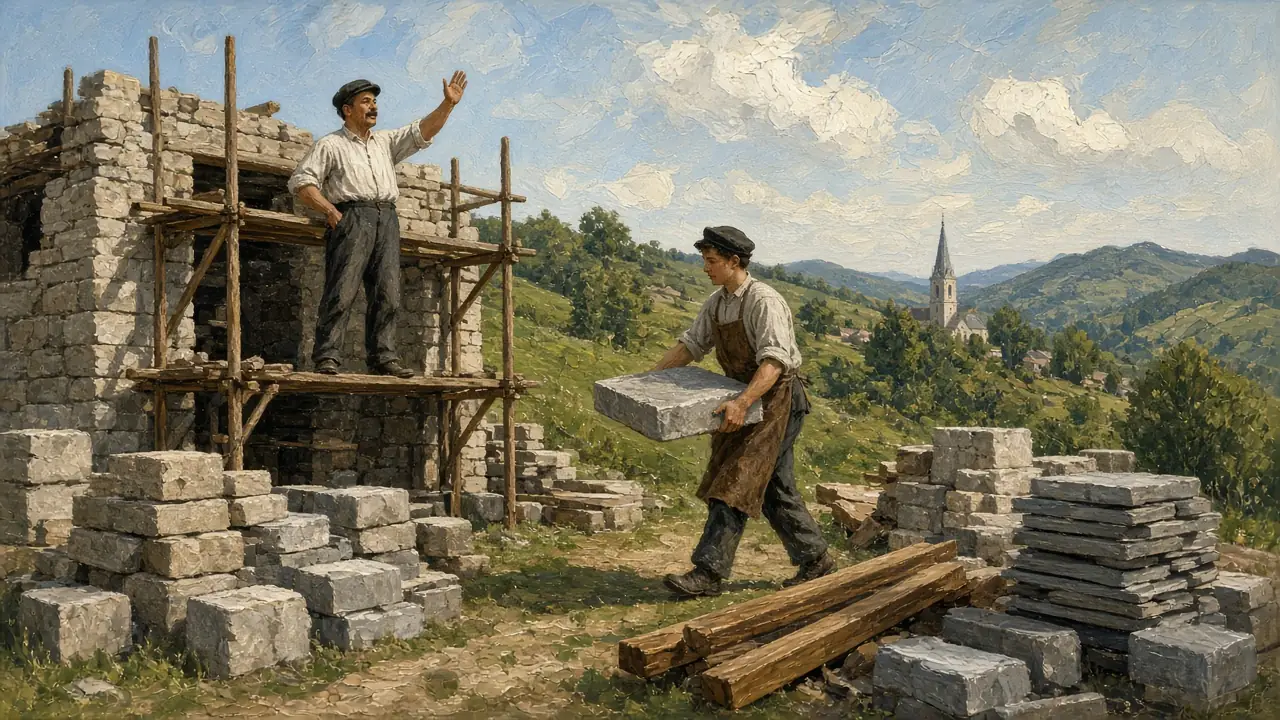
Wittgenstein first tries to picture meaning as a picture: a sentence shows a possible arrangement of the world. He later treats that as too narrow. Meaning, in the later work, is what people do with the words in a form of life.
The two stages disagree. The shared pressure is that a foggy noun has to be walked back to something: a state of affairs it pictures, or a use people make of it. Try it on any big word in a memo: what would someone do differently if it were true of their work? If the answer is nothing, the word is not yet doing a job.
The foggy noun
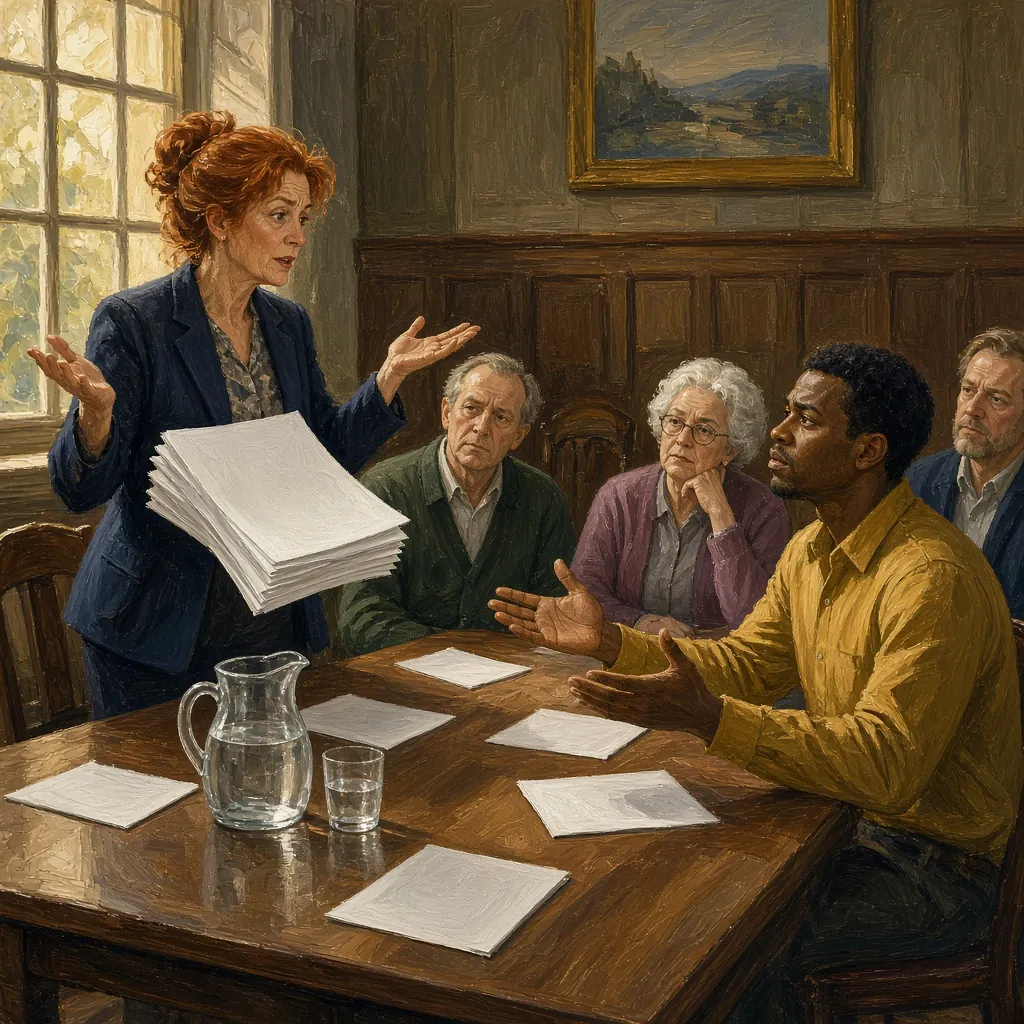
A policy uses the word “community” in every paragraph. Asked what anyone does differently when the word is applied, the authors have no case.
The picture theory and the later theory would disagree about meaning. Both would still ask what, if anything, the noun is doing.
Try this today Pick one vague word in a memo and ask what someone would do differently if it were true.
Cite or share this lesson
A plain reference you can paste into notes or an essay:
Quest2Reason. “Walk It Back to a Use.” https://quest2reason.com/learn/lesson/walk-it-back-to-a-use. Accessed 14 November 2026.
Sources
- Stanford Encyclopedia of Philosophy, “Ludwig Wittgenstein” — Meaning as use in the later Wittgenstein.
- Ludwig Wittgenstein, Tractatus Logico-Philosophicus (1921) and Philosophical Investigations (1953) — Paraphrase of the picture account and the later account of use. This lesson does not quote a text.