
Lesson · 4 min Gentle
The Weather of the People
In one line People copy what a leader does more than what a leader says.
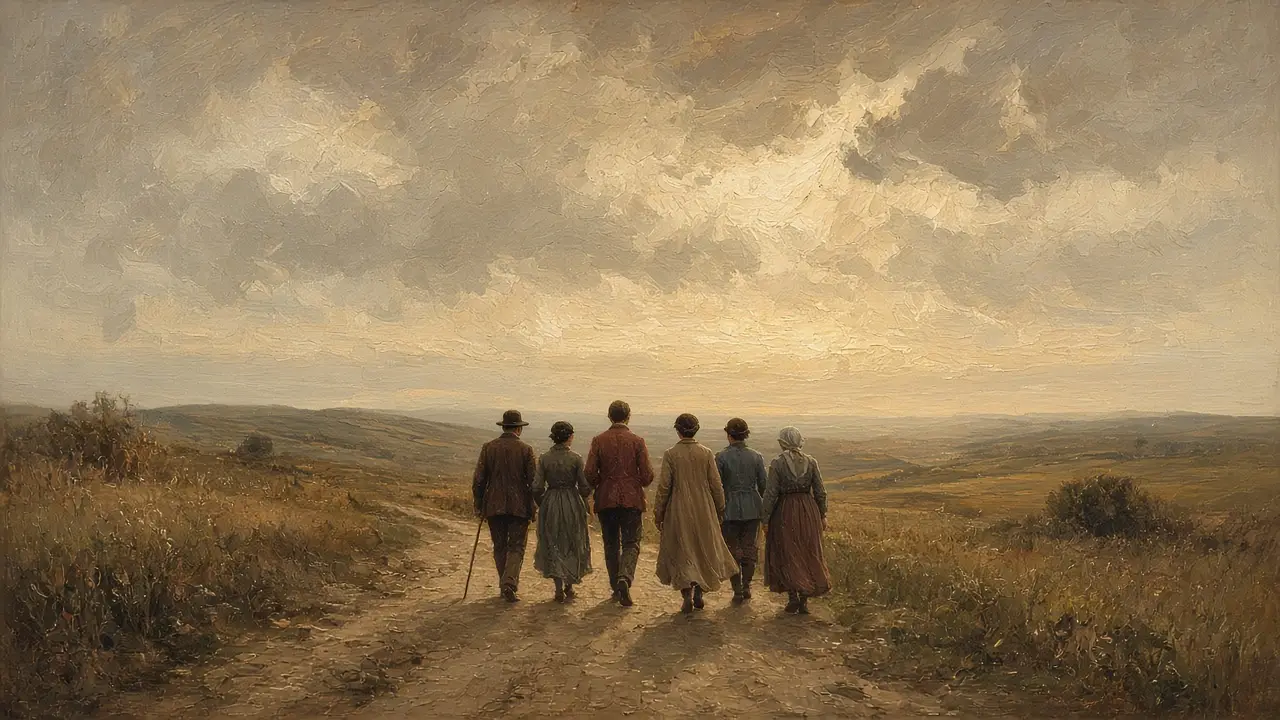
Confucius compared a ruler’s character to the wind, and the people to the grass. The grass bends with the wind. A lecture about punctuality from a person who arrives late is weather of a different kind. The room learns the arrival, not the speech.
This is not a claim that everyone else has no judgment. It is a claim about what power teaches. The person who sets the hours, the tone, and the exceptions is already giving the lesson. Correction starts there.
At home the shape is the same. A parent who shouts the rule against shouting has taught the shout. The sentence can be right and still lose to the example.
The practice that starts when they arrive
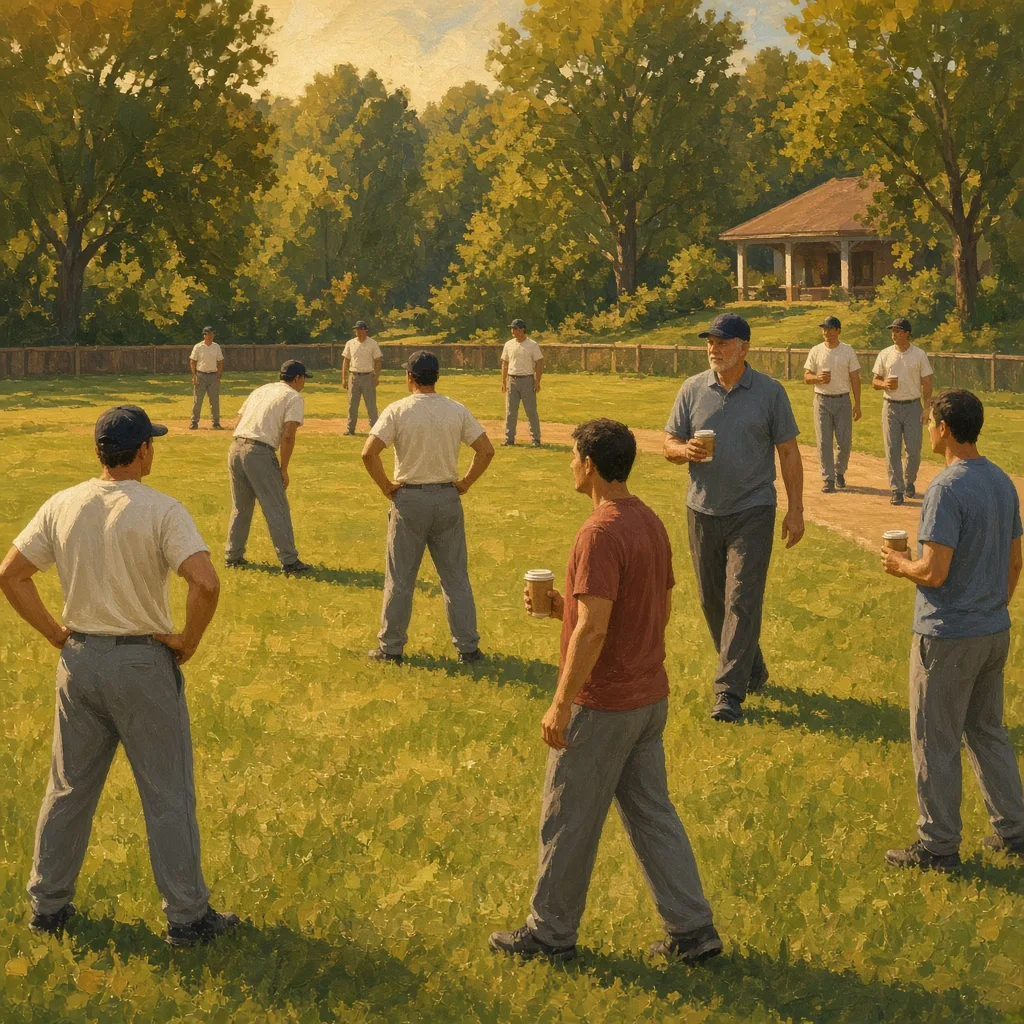
A coach tells the team that practice starts at nine, then strolls in at half past with a coffee. The next week, three players do the same. The coach calls it a discipline problem.
The weather was already on the field. The speech asked for one climate. The arrival taught another.
Try this today Pick one rule you ask others to follow and check whether you follow it yourself.
Cite or share this lesson
A plain reference you can paste into notes or an essay:
Quest2Reason. “The Weather of the People.” https://quest2reason.com/learn/lesson/weather-of-the-people. Accessed 13 November 2026.
Sources
- Confucius, Analects 12.19 — The ruler’s virtue is the wind, and the people are the grass. Public-domain translations include James Legge.
- Confucius, Analects 13.6 — If the person in front is correct, others follow without a threat. The example does the governing.
- Wikipedia, “Junzi” — The Confucian ideal of the exemplary person.